Expanding Fleet Charging Infrastructure in Practical Phases
Phased fleet charging can reduce the risk of buying equipment before the operation understands its requirements. The first phase should serve a defined group of vehicles and produce useful evidence for the next investment. At the same time, the site layout and electrical plan should avoid expensive reconstruction when the fleet grows.
The approach works best when the operator separates decisions that are costly to reverse from equipment that can be added later. Civil routes, electrical capacity and land use may need early attention, while some charging points can wait until their utilization is justified.
Define the first phase by a real operating duty
Choose a vehicle group with a clearly understood route and charging window. The pilot should be large enough to test simultaneous charging, driver routines and dispatch changes, but its scale should follow the business requirement rather than an arbitrary fleet percentage.
Write down what the phase must demonstrate. Examples include completion of charging before departure, operation within the agreed site power limit and the effectiveness of fault alerts. Assign ownership of the records used to evaluate these outcomes.
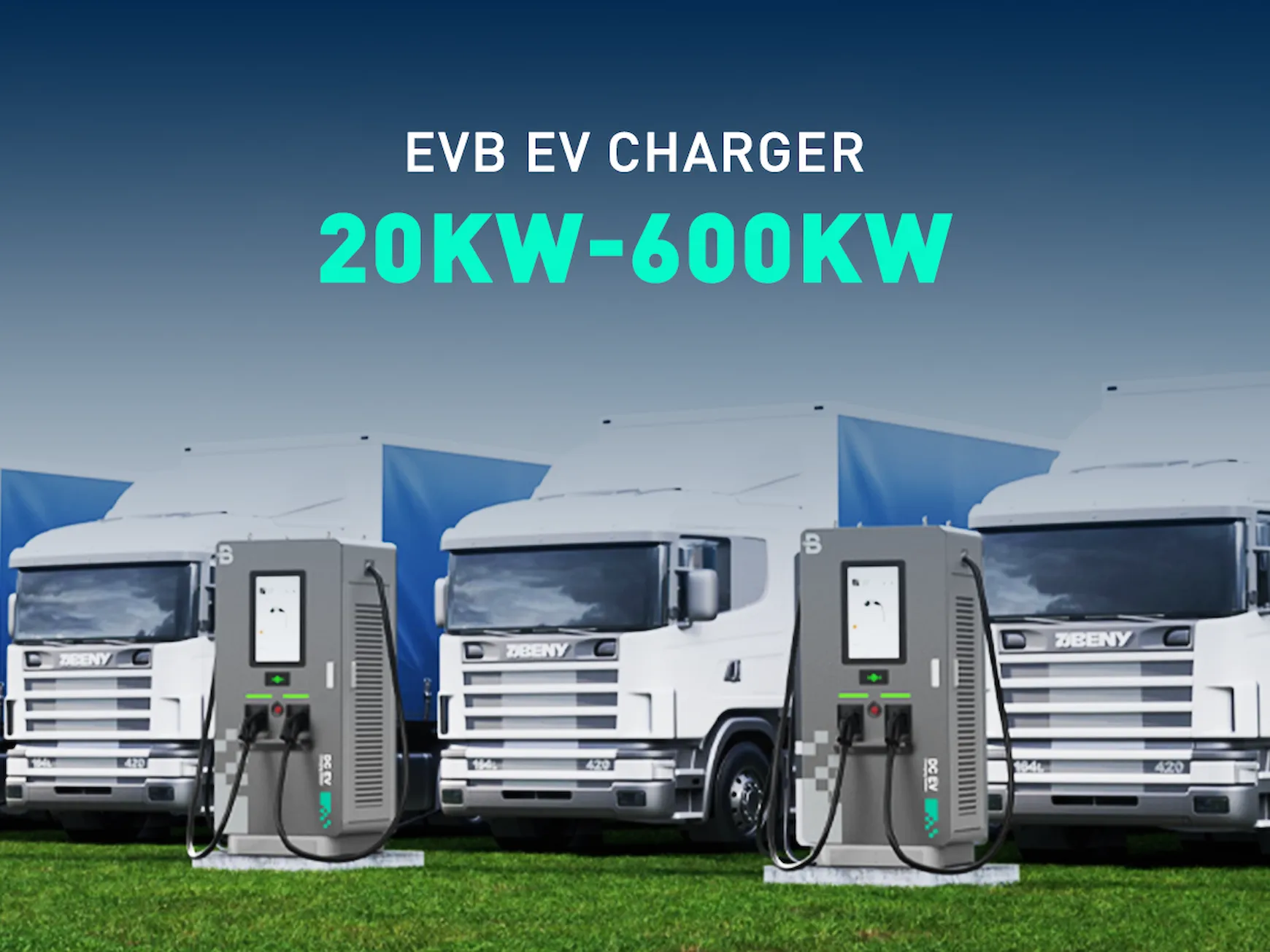
The EVB fleet charging solution overview describes scalable deployment as part of its project approach. A phased enquiry should convert that intention into a documented first-stage scope and a compatible expansion plan, with pricing and responsibilities for each stage.
Plan expensive site work once where justified
Review conduit routes, excavation, electrical distribution space and the location of future charging bays. Preparing for later connections during initial construction can avoid repeating disruptive work, but the cost should be compared with the likelihood and timing of expansion.
Future capacity must be described carefully. An empty conduit does not create electrical supply, and space reserved for a charging point does not mean the grid connection can support it. Record which provisions are physical, which are electrical and which depend on future approvals or equipment purchases.
Do not oversize every component simply to make the project appear future-proof. A charger interface that suits today's vehicles may not suit a later purchase. Use the fleet's realistic procurement roadmap to identify which provisions are valuable and which remain uncertain.
Keep the equipment and software roadmap connected
Check whether the management system can add the expected number of charging points and whether subscription costs change as the site expands. Review site-controller limits, communications coverage and the integration effort associated with additional equipment.
Where later stages may introduce a different vehicle or charger model, define the required interoperability tests. Hardware that has worked in the pilot should not be assumed to establish compatibility for every future combination.
Ask how software updates will be managed across stages. Retain configuration records and agree whether new equipment will require changes to the existing installation. The operator should understand the effect on vehicles already in service before an expansion is commissioned.
Use pilot data to change the next phase
Collect arrival times, energy delivered, charging completion times, site power and faults. Record the causes of unfinished charging, not only the count. A missed connection, insufficient available power and a vehicle fault can require different remedies.
Also review bay occupancy and vehicle movements. Charging points with low electrical utilization may still be occupied for much of the night. That can influence whether the next stage needs more dedicated bays or a better process for sharing equipment.
Compare observations with the original assumptions. If vehicles use less energy than expected and remain parked longer, slower charging may be adequate for the next group. If late returns repeatedly compress the window, additional charging power or revised dispatch may be needed.
Put expansion options into the purchasing documents
Request separate prices for the first phase and plausible later stages. Identify what is included in each price, what remains contingent on a utility upgrade and whether any initial equipment must be replaced.
Include documentation, training, spare-parts arrangements and integration work. Establish how the supplier will handle equipment substitutions or discontinued products before the next order. A roadmap based on an unpriced future promise is difficult for the fleet to budget.
The final decision to expand should be tied to operating evidence and vehicle procurement. This does not require waiting for perfect data, but it does require a clear account of what the first phase has demonstrated and what remains to be tested.
Keep the rollout synchronized
Coordinate vehicle deliveries with the infrastructure the depot can actually operate. A useful phased plan names the vehicles supported at each stage, the required electrical work and the acceptance conditions before the next group arrives.
The aim is an installation that grows with a workable charging process. Each phase should improve capacity without disrupting the vehicles already depending on the depot, and each investment should be explainable in terms of the fleet's measured work.